Author: tom@handyas.co.uk

  • How to Run a Restaurant: Why You Don’t Have A Staffing Problem

    How to Run a Restaurant: Why You Don’t Have A Staffing Problem

    Every busy service feels like a staffing crisis. Not enough people on the floor. Someone called in sick. The team scrambling, guests waiting, and you standing in the middle of it all wondering how you’re still short-handed. Again. 

    If that sounds familiar, this blog post is going to challenge something you probably believe about your restaurant. Because knowing how to run a restaurant well doesn’t start with a headcount. It starts with design.

    I’m Tom Dimelow, a restaurant and hospitality coach with over 15 years of experience across hospitality and accounting. At 22, I opened a restaurant inside a 5-star hotel alongside British TV chef James Martin, earned an AA rosette in the first year, and turned over 7 figures. I work with independent restaurant owners across the UK to help them build more profitable and more consistent operations.

    In this blog post, I’m going to show you why the thing you’re diagnosing as a staffing problem almost certainly isn’t one, and what to do about it instead.

    Design Beats Staffing Every Single Time

    Here is the real problem. Every second your team spends navigating the floor, searching for what they need, or working out whose job something is, is a second they are not with your guests. And more staff does not fix a restaurant that was never built to run efficiently. It just means more people are navigating the same broken layout.

    Busy nights don’t expose staffing problems. They expose design problems. But because the symptom looks like people rushing and falling behind, the obvious response is to add headcount. So you hire. And you end up with more people colliding in the same bottlenecks, duplicating effort, and a service that becomes harder to manage, not easier.

    The design principle that fixes this isn’t complicated. Domestic kitchen designers use it as standard: the most-used areas of any working space should be grouped so that movement between them is minimal and automatic. 

    Your home kitchen is built around that logic. You don’t consciously navigate to make a cup of tea. Your hands know where to go because the space was designed that way. Your restaurant floor needs to operate on exactly the same principle. Everything your team reaches for during service should be where they expect it to be, every time, without thinking.

    The Real Cost of the Wrong Diagnosis

    When you recruit to solve a design problem, you create a new one. New staff have no system to learn because there is no system. Things are where they landed, not where they make sense. 

    That cutlery station exists there because it always has, not because it makes service easier. And new people coming into a chaotic environment don’t stay long. So you recruit again, and the cycle continues.

    There is also something more damaging happening beneath the surface. When your team cannot get into a routine, cannot anticipate what is coming next, and cannot move through service without constantly problem-solving, their stress levels rise. 

    A stressed team does not deliver a calm, smooth service. Your guests feel it, even when they cannot name it. Most of the time as a quiet, uncomfortable feeling that makes them less likely to relax, less likely to spend, and less likely to return.

    The deeper trap is familiarity. Things are positioned where they ended up, not where they make sense. Nobody questions it because it has always been that way. But running more people through a poorly designed space does not solve the problem. It amplifies every inefficiency that was already there.

    How to Run a Restaurant Around Your Guest Journey

    The fix is to look at your restaurant critically, not through the lens of what is convenient for your team, but through the lens of what your guests need and when they need it.

    Design your service space around the guest journey. Things needed at the start of service should be immediately accessible. Things needed for dessert should be out of the way until desserts are being served. Nothing should require a trip across the floor when it could be within arm’s reach.

    Leverage your bussing team and established commitments to adjust the space throughout the service period. As guests move through courses, the environment should shift with them. Once starters are cleared, the space needed for them should be cleared too. By the time dessert is approaching, everything required should already be in position. Your team should never be searching. They should be serving.

    When you build that rhythm into the layout of your restaurant, something changes. Your team stops thinking and starts hosting. Service becomes fluid. Guests notice the difference without knowing why. And the number of staff required to deliver a great experience drops, because each person is spending their time on what actually matters.

    Conclusion: How to Run a Restaurant That Runs Itself

    The staffing crisis most operators are experiencing is not a staffing crisis. It is a design crisis wearing a staffing costume.

    Fix the environment first. Define where things go and why. Build the space around the moments your guests will need things, not around where things happened to end up. Give your team a system they can operate without thinking, and watch what happens to your service.

    More staff in a badly designed restaurant makes things worse. The right design with the right number of people makes everything better.


    Is your restaurant set up to run efficiently, or are you just adding more people to the problem?

    Take the free 5-minute assessment and get a personalised scorecard across four key areas: accounting, sales, hospitality, and training. You’ll know exactly where to focus.

    Take the Free 5-Minute Restaurant Assessment Here


    Frequently Asked Questions

    1. How do I know if my restaurant has a design problem rather than a staffing problem?

    The clearest sign is that busy nights consistently feel more chaotic than quiet ones, even when you have the same number of staff on shift. If your team is spending time searching for things, crossing each other on the floor, or routinely missing basics like water refills and check-backs, those are design symptoms. A staffing problem shows up as a genuine capacity shortfall: not enough hands to cover the covers. A design problem shows up as inefficiency, regardless of headcount.

    2. What is the kitchen triangle and how does it apply to the front of house?

    The kitchen triangle is a design principle that places a kitchen’s three most-used stations (sink, fridge, oven) within easy reach of each other, minimising unnecessary movement and thinking. The same principle applies to your restaurant floor. Your team should be able to reach what they need without crossing the room or interrupting their flow. Cutlery, glassware, water, and condiments should all be positioned based on when and where they are needed during service, not based on where they happen to fit.

    3. How often should I redesign or reposition things in my restaurant?

    A full review of your service layout should happen at least twice a year, ideally ahead of your busiest trading periods. But smaller adjustments should happen continuously. After each service, ask your team what they were searching for, what was in the wrong place, and what slowed them down. Those answers will tell you more than any formal audit.

    4. Won’t repositioning things mid-service confuse staff who already know where everything is?

    Short-term disruption is real, but it passes quickly. The bigger risk is keeping a layout that does not work because changing it feels difficult. If a layout requires experienced staff to manage it effectively, it is not a good layout. A well-designed space should be simple enough that a new team member can operate it confidently within a shift or two.

    5. Is there a minimum number of staff needed before restaurant design starts to matter?

    Design matters from the very first cover. Even in a small operation with two or three front-of-house staff, a poorly designed space creates friction, slows service, and raises stress. In fact, the smaller your team, the more important efficient design becomes, because there is less margin for wasted movement and thinking time.
  • How to Run a Restaurant: Why Booking Rules Are Hurting Your Repeat Business

    How to Run a Restaurant: Why Booking Rules Are Hurting Your Repeat Business

    Every time you add a new booking rule, you think you’re protecting your business. You’re not. You’re adding friction before the guest has even arrived. And guests who arrive confused, caught off guard by a restriction they didn’t expect, or already irritated by a complicated booking process, don’t come back.

    I’m Tom Dimelow, a restaurant and hospitality coach with over 15 years of experience across hospitality and accounting. At 22, I opened a restaurant inside a 5-star hotel alongside British TV chef James Martin, earned an AA rosette in the first year, and turned over 7 figures. I’ve since worked with independent restaurant owners across the UK to help them build more profitable, more consistent operations.

    In this post, I’m going to show you why the rules you’re adding to protect your business are quietly hurting it, and what to do instead. Because knowing how to run a restaurant well isn’t just about what happens during service. It starts the moment someone tries to book.

    The Real Cost of Booking Restrictions

    Independent restaurants are under serious pressure right now. No-shows cost you revenue. Margins are tight. Every missed cover feels like a hit you can’t absorb. So operators do what feels logical: they add deposits, restrictions, and tighter booking conditions to protect seats and protect income.

    The problem is the unintended consequence. Every condition a guest has to work through before they arrive adds to their cognitive load. More cognitive load means a worse first impression. And in hospitality, the guest experience doesn’t start when someone walks through your door. It starts the moment they try to book.

    If your booking process is full of terms, conditions, and restrictions they need to get their head around, you’ve already put them in the wrong frame of mind before they’ve set foot in the place. More rules means more confusion, more friction, and a first impression that is much harder to recover from.

    Before you tell me you’ll add the rules to your terms and conditions: people don’t read them. Hiding restrictions there delays the problem until the guest is already sitting at the table, which is the worst possible moment for that conversation to start.

    You’re Controlling the Wrong Thing

    Here’s an example that makes this concrete. I recently attended a lunch with a client who had been shortlisted for an award. Six of us, a genuine reason to celebrate, an occasion that was supposed to feel special for everyone at the table. 

    The problem was that the owner had booked somewhere slightly outside his budget, and was quietly hoping everyone would order from the set lunch menu, which represented much better value for money. When we arrived, we were told the lunch menu was only available for tables of fewer than six. He hadn’t seen that restriction in the booking.

    The anxiety he felt in that moment was significant. He couldn’t afford for everyone to order from the à la carte, but he couldn’t say that. He felt embarrassed for not knowing the rule, and the rule had been presented as simply “the way it is,” buried somewhere in the booking details. The atmosphere deflated before anyone had ordered a drink. 

    Instead of pre-dinner drinks, wine with the meal, and a full celebration, the group moved somewhere cheaper for drinks and kept the food bill as low as possible. The restaurant lost significant revenue from a table that had every reason to spend well.

    The restaurant wasn’t wrong to have the rule. The guest wasn’t wrong to book. The problem was a restriction that was convoluted, easy to miss, and created an uncomfortable situation the moment we arrived.

    This is what happens when operators try to control guest behaviour instead of guest experience. You cannot control whether someone reads your booking terms. What you can control is how effortless the experience of booking with you feels. Stop trying to control people’s behaviour. Start controlling the experience they receive.

    What To Do Instead

    Deposits are a legitimate tool, but they’re not neutral. 82% of guests are willing to pay a deposit for larger table bookings. For fine dining, anywhere between £1 and £50 is considered reasonable. For casual dining, £1 to £25. The issue is when deposits become a blanket rule applied to all bookings.

    Before you introduced a deposit, you might have had 150 bookings with 10 no-shows. After introducing one, you might have 120 bookings with none. That looks like progress. But you’ve lost 20 people who would have turned up. They wanted to eat out but weren’t committed enough to pay in advance. The real question is: are you filtering out risk, or quietly killing demand?

    Deposits also create stories. If a guest has to cancel due to a bereavement and you refuse to refund their deposit, that story travels faster than any marketing you’ll ever put out.

    The practical fixes are straightforward:

    • Let small tables book freely online. Two to six covers, no conditions, full menu access. Make it three clicks and done.
    • Move large bookings to a phone call. That conversation gives you the chance to explain any restrictions clearly, and gives the guest the opportunity to decide whether the experience is right for them before they arrive.
    • Confirm everything in writing. After the call, send a template email that covers everything discussed. No ambiguity, no surprises on the door.
    • Apply fair refund policies. If you’ve taken a deposit and you resell those seats, refund it. It costs you nothing and protects your reputation.
    • Make menu availability obvious. If there are restrictions on what certain tables can order, that information must be impossible to miss. Not buried. Not in the small print.

    If you must have rules, make them simple, fair, and easy to understand.

    Conclusion: How to Run a Restaurant People Want to Return To

    Simplicity wins in hospitality. Fewer rules, clearer offers, and a booking process that feels effortless will do more for your repeat business than any restriction you put in place.

    The operators with the strongest return rates aren’t the ones with the most robust booking policies. They’re the ones who make it so easy and enjoyable to visit that guests don’t want to cancel. A meal someone is genuinely looking forward to doesn’t need a deposit to secure it. You’ll find that a long waiting list does more to ensure people don’t miss their booking than any deposit ever will.

    Your job isn’t to manage risk through restriction. It’s to create an experience worth returning to.


    Ready to find out what’s really holding your restaurant back?

    Take the free 5-minute assessment and get a personalised scorecard across four key areas: accounting, sales, hospitality, and training. You’ll know exactly where to focus.

    Take the Free 5-Minute Restaurant Assessment Here


    Frequently Asked Questions

    1. Do restaurant deposits actually reduce no-shows?

    Yes, deposits do reduce no-shows, but the impact on overall revenue is less straightforward than it looks. Restaurants that have introduced deposits typically see fewer cancellations, but also fewer bookings overall. Guests who were considering booking but weren’t fully committed often choose not to if a deposit is required. Before introducing a blanket deposit policy, consider whether the guests you’re filtering out were likely to spend well, and whether the reduction in no-shows is worth the reduction in demand.

    2. How much should I charge as a restaurant booking deposit?

    Research suggests that 82% of guests are willing to pay a deposit for larger table bookings. For fine dining restaurants, anywhere between £1 and £50 is considered reasonable. For more casual dining environments, £1 to £25 tends to be the acceptable range. The key is to apply deposits selectively, particularly for larger bookings where the risk of a no-show has a material impact on your revenue for that service.

    3. What’s the best way to handle large group bookings without creating friction?

    Move large group bookings to a phone call rather than an online form. The conversation gives you the opportunity to explain any restrictions or requirements clearly, and gives the guest the chance to confirm they’re comfortable with those terms before committing. After the call, follow up with a written confirmation covering everything discussed. This approach reduces the risk of misunderstandings on arrival without creating the kind of friction that a complex online booking process generates.

    4. Should I put my booking rules in the terms and conditions?

    No. Terms and conditions are not read. Placing restrictions there creates the impression that the booking process is straightforward, only for the guest to discover a problem when they arrive. If you have rules that affect the guest experience, they need to be visible, clear, and impossible to overlook during the booking process itself. If a rule is too complicated to explain upfront, that’s often a sign the rule itself needs simplifying.

    5. What should I do if a guest asks for a deposit refund after cancelling?

    A fair and clearly communicated refund policy protects your reputation as much as it protects your revenue. If a guest cancels in advance and you’re able to resell the table, refunding the deposit costs you nothing and generates goodwill. If a guest has to cancel due to circumstances outside their control, a rigid no-refund policy risks creating a negative story that spreads far beyond that one guest. Consider building a refund policy into your booking confirmation, so expectations are set clearly from the start.

  • Restaurant Management: Stop Doing Your Team’s Job

    Restaurant Management: Stop Doing Your Team’s Job

    You think you know how your restaurant is running. You see the clean plates, the pings from the POS system, and the food hitting the tables. 

    But if you’re spending your Friday night running three-plate carries, polishing cutlery, or jumping behind the bar because the tickets are stacking up, you are missing the most important factor in your business: the intangible feeling your guest takes home with them.

    That feeling, the “emotional aftertaste”, is the reason they either book again before they’ve even hit the driveway or tell their friends to avoid you.

    I’ve managed seven-figure operations, and I know that the single biggest mistake in how to manage a restaurant is confusing activity with leadership.

    If you’re the best waiter in the room, you’re in the wrong job. As I always say: you can’t see the picture if you’re inside the frame.

    Leadership is Altitude, Not Activity

    Somewhere along the line, the industry adopted a “lead by example” mantra that has been widely misinterpreted. Many managers assumed this meant proving they were the best waiters in the building. 

    They thought that by carrying the most plates or being the fastest on the coffee machine, they would earn the respect of their team.

    The reality? When leaders become waiters, nobody is leading. Leading by example isn’t about the mechanics of carrying plates; it’s about how you carry yourself, your attitude, and the culture you project. While your team might appreciate you helping close down by cleaning the toilets at the end of a shift, they don’t need you doing their job during service. They need you to look after the guests by looking at the environment.

    Effective restaurant management is about altitude. You need a bird’s eye view to see the “trees” (the strategy) rather than getting stuck in the “wood” (the operational details).

    Understanding The Matrix: Moving from Operator to Strategist

    To understand where you are currently spending your energy, I use a framework called The Matrix. It maps your focus across two axes: your perspective (In the Weeds vs. Bird’s Eye View) and your focus area (Tangibles vs. Intangibles).

    Most managers live in the top-left quadrant: In the Weeds focusing on Tangibles. They are obsessed with ticket times, order accuracy, and technical service. These are “black and white” elements, the “what” of your service.

    To truly drive revenue, you must shift your perspective. While the top-right quadrant focuses on systems and consistency, the ultimate goal for a hospitality leader is the bottom-right quadrant: The Bird’s Eye View of Intangibles. This is where you manage the “colour” of the experience, the energy, the cohesion, and the emotional impact that creates a “must-go” restaurant.

    The Wedding Realisation: The Power of the Observer

    I realised the danger of the “active manager” most clearly at my own wedding. During the day, I made a conscious decision to take a few moments to just stand back and look at my guests. Because I wasn’t the one managing the schedule or directing the photographer, I saw the big picture.

    I saw food being served to the wrong people. I saw a guest being served a dish they were allergic to. I saw my nan looking visibly distressed because the music volume was so high it was actively ruining her enjoyment of the meal.

    The event manager on duty didn’t see any of this. Why? Because she was too busy “helping.” She was running drinks from the bar and serving plates because she didn’t have enough staff. She was being a “great” worker, but she was failing as a host because she had no time to observe the experience her guests were enduring.

    Why the 40-Tick-Box Mystery Shop Fails

    When managers want to improve, they usually pay for a mystery shop. However, most of these reports focus on too many things at once. They rely on someone coming in with a 40-tick-box metric list.

    These reports often lead to “blame sessions” where staff are reprimanded for minor technicalities. This builds a culture of fear rather than a culture of hospitality. Guests don’t go home remembering if the salt and pepper shakers were perfectly aligned; they remember how you made them feel.

    The Three-Focus Rule: A Better Way to Manage a Restaurant

    Instead of a scattergun approach, I want you to follow my Three-Focus Rule. Once a month, remove yourself from the schedule entirely. Get changed, drive to your restaurant as a guest, and monitor these three non-negotiables:

    1. Energy and Cohesion

    What is the “vibe” of the room? Is the atmosphere calm, collected, and in control? Or is it panicky and high-tension? In most hospitality settings, guests want to feel looked after by a team with prowess and oversight. 

    The Test: Can you personally relax in your own restaurant? If you’re sitting there and you feel the “itch” to stand up and fix a table, your guests are feeling that same restlessness.

    2. Guest Body Language (Stop Staring at the Screen!)

    The room will tell you what your mystery shop won’t, but only if you stop staring at a screen. Look at your customers’ facial expressions. Are they leaning in and laughing, or are they scanning the room? 

    Using these perceptive cues allows you to anticipate a need before it exists. For example, if a table has finished their main course and they’ve run out of conversation, you have a tiny window to get a dessert menu down. If you miss that cue, you lose the sale.

    3. The Emotional Aftertaste

    Research by psychologist Daniel Kahneman suggests that we don’t remember experiences logically; we remember the “emotional peak” and how the experience ends. This is the “aftertaste.” When you walk out to your car at the end of your “guest” experience, don’t go back inside to debrief. Go home. Sit in the car and reflect:

    • Was it worth the price on the bill?
    • Would I book again?

    The Ripple Effect: Creating a Tidal Wave of Profit

    When you stop doing your team’s job, you stop being a firefighter and start being a strategist. You begin to see where the profit leaks are: the wastage, the theft, and the inconsistencies.

    I often use the analogy of a colander vs. a bowl. Most restaurant P&Ls are colanders; the money leaks out of a hundred tiny holes. By stepping back and observing, you can seal those holes. This creates small “ripples” of cost reduction that eventually propagate into one massive, positive tidal wave of money.

    Conclusion: Escaping the Operational Jail Cell

    The hard truth of restaurant management is that busy managers build stress, while observant managers build loyalty.

    Your goal isn’t just operational excellence; it’s to move yourself out of the “operational jail cell” so you can train your team to fix the problems you’ve observed. 

    By focusing on the mindset that “a pain in the arse to you could be life or death to someone else,” you elevate the experience from simple service to genuine hospitality.

    Are you ready to stop guessing where your profits are going? Discover the Three-Focus Rule in action. Take my free 5-minute Restaurant Assessment to get a personalised scorecard across Accounting, Sales, Hospitality, and Training. Find out exactly where to focus your energy to build a “must-go” restaurant.

    Click here to take the Free Restaurant Assessment

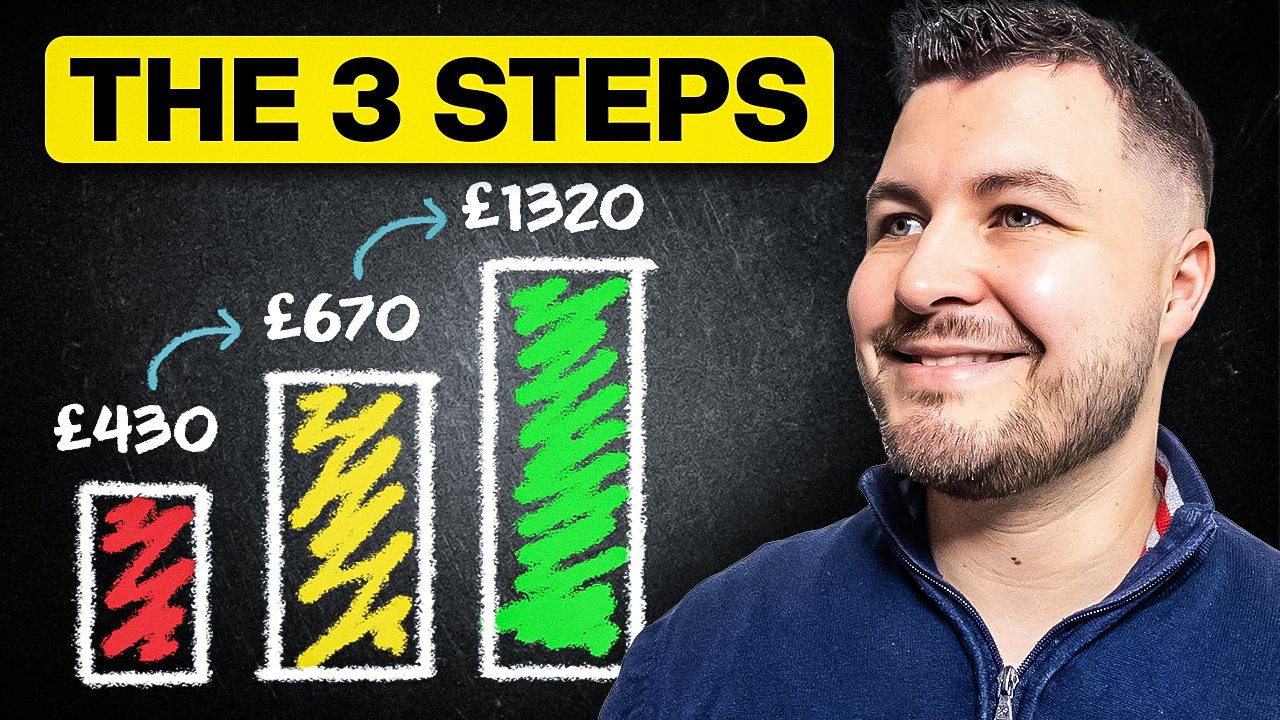
  • How to Run a Restaurant: 3 Steps to 10% More Profit

    How to Run a Restaurant: 3 Steps to 10% More Profit

    Click here to watch the video!

    You are working flat out, but your profit and loss sheet still looks like a colander, draining money every single month. You think it is just rising costs, but the real issue is a deadly operational blind spot, and it is costing you thousands.

    Mastering how to run a restaurant is not about cutting costs; it is about setting up systems that provide control. Without them, your performance is based on luck. 

    I’m Tom Dimelow, a restaurant and business coach. I specialise in creating and implementing systems and processes that turn restaurants into highly profitable, must-visit spots with truly engaged teams.

    In this guide, I will break down the three essential steps to boosting your restaurant’s profitability by at least 10%. You’ll learn how to master cost control, optimise your menu pricing, and streamline your operations for sustained financial success.

    Step 1: Look At The Right Profit (EBITDA)

    Most owners focus on “profit after tax,” but this is a mistake. Profit after tax is often delivered long after year-end and is cluttered with subjective accounting adjustments like depreciation and amortisation. These figures do not indicate operational success.

    To run a restaurant successfully, you must track EBITDA (Earnings Before Interest, Tax, Depreciation, and Amortisation) on a weekly basis. 

    Interest and tax are small percentages of overall revenue, so they should not distract you from day-to-day performance. EBITDA is your true operational metric. If you aren’t tracking this weekly, you are flying blind.

    Is your restaurant actually making money, or are you just busy? You can find the exact issues holding you back across four sections: accounting, sales, hospitality, and training. Take the Free 5-Minute Restaurant Assessment Here

    Step 2: Set Up A Revenue System

    A business’s potential for profit is often determined before a dish even hits the table. Your revenue system must include three pillars:

    • Accurate Sectional Costings: Do not aim for a flat cost-of-sale percentage across the whole menu. Aiming for the same margin on a soup as a steak leads to unrealistic pricing. Break your costs down into sections like starters versus mains.
    • Integrations and Automation: Integrate your Point of Sale (POS) with accounting software like QuickBooks. This allows you to split your P&L into different areas for better clarity.
    • Average Spend Per Head: Track your revenue per cover weekly. Even a small increase here can lead to a massive improvement in income.

    Step 3: Master Expense Management

    Once your revenue is tracked, you must manage the “big two” expenses: Cost of Sales and Labour.

    Cost of Sales (Ingredients)

    Do not confuse your food costs with other overheads like card payment fees. You should compare your actual cost of sale with what your costs suggest it should have been based on dishes sold. If there is a gap, your kitchen control needs to be tighter. Break down your cost of sale percentage (Cost of Sale divided by Revenue) to set specific targets.

    Labour: Revenue Per Labour Hour

    Stop using “Labour cost percentage.” Labour is a variable stepped cost, and percentage is an inaccurate measure of management success. Instead, focus on Revenue per Labour Hour (Total Revenue divided by Total Hours worked). This figure should be rising. If you cut staff but your revenue drops faster, your revenue per labour hour decreases, and you have actually become less efficient.

    The Three Overhead Traps

    Overheads often leak money in three specific areas:

    1. Impulsive Contracts: Small contracts that fix a temporary problem but tie you in for 12 months.
    2. Rollover Contracts: Waste and insurance policies that renew automatically without shopping for better quotes.
    3. Software Bloat: Subscribing to too many apps while only using 10% of their actual capability.

    Conclusion: Finding the Small Leaks

    Increasing profit is not about a single massive change; it is about finding and fixing small leaks that, when multiplied, lead to a vast improvement in performance. Systems provide the control you need to stop guessing. When you transition from an operator stuck in the weeds to a strategist with a system, you build true financial freedom.

    Want to stop the cash drain and gain control of your numbers? 

    My free 5-minute assessment will reveal your hidden operational blind spots. The accounting section specifically analyses whether you’re tracking the right metrics (like EBITDA), managing your cost of sales effectively, and controlling Labour costs, giving you a clear roadmap to plug the leaks and build financial stability.

    Click here to take the Free Restaurant Assessment

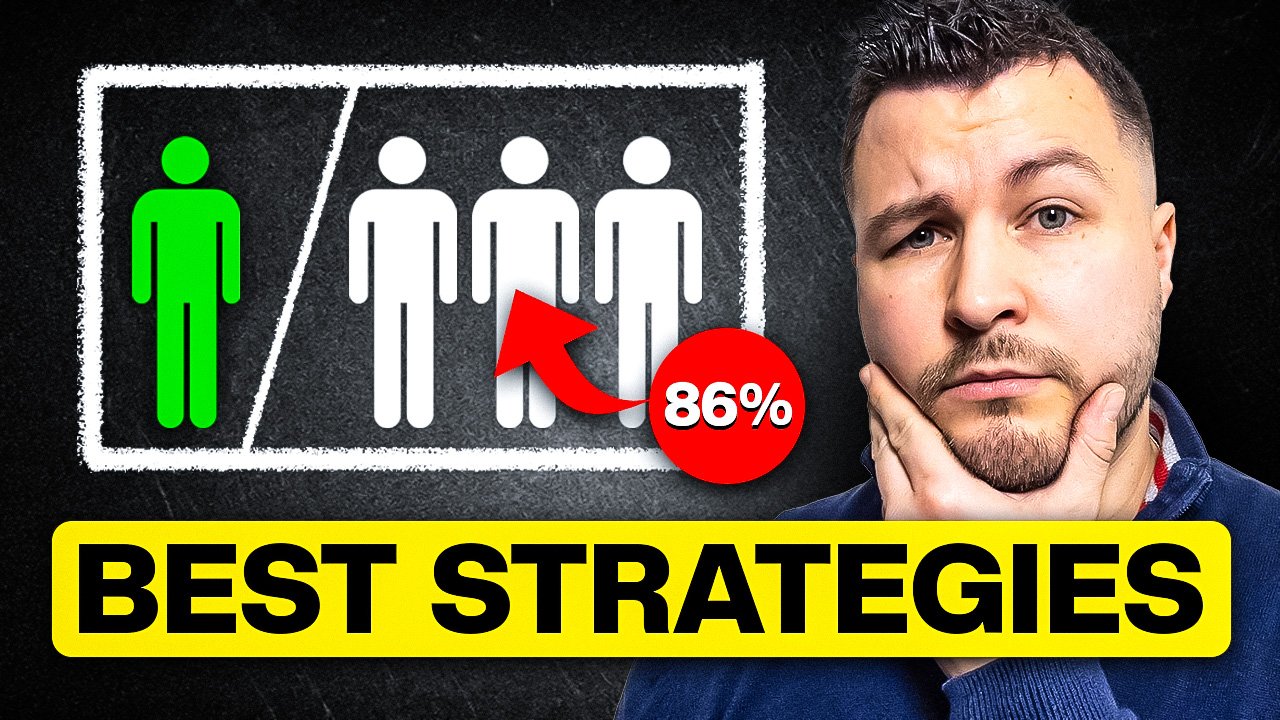
  • How to Run a Restaurant: Cut Staff Turnover By 86%

    How to Run a Restaurant: Cut Staff Turnover By 86%

    Click here to watch the video!

    The “Nobody Wants to Work” Myth is Killing Your Restaurant

    If you are working flat out only to watch your profit drain away into recruitment fees, you aren’t alone. Most restaurant owners have convinced themselves of a convenient lie: that the “modern worker” is lazy or that hospitality just isn’t a “career” anymore.

    That myth is a deadly operational blind spot.

    The reality is that 87% of millennials stay in a job because they are receiving high-quality development. Yet, 86% of hospitality businesses provide less than 10 hours of ongoing training. You aren’t suffering from a “labor shortage”; you are suffering from a training deficit.

    I’m Tom Dimelow. I’ve built seven-figure, AA-rosette teams by moving beyond the “revolving door” of recruitment and focusing on what actually makes people stay: Autonomy, Mastery, and Purpose.

    1. Stop Confusing Training with Coaching

    Most owners think training is just showing someone how to do a job. That’s why your team lacks ownership.

    Think of it like a football club:

    • The Trainer runs the drills. They focus on technique, fitness, and repetition.
    • The Coach doesn’t run drills. They develop game intelligence, the ability to make decisions and trust their instincts under pressure.

    In hospitality, we are great at the “drills” but we never coach the “thinking.” You have to be both. Once you teach a skill, you must coach the ownership of that skill until it becomes muscle memory.

    2. Ditch the Transactional Trap (Money vs. Motivation)

    If you think a pay rise or a bottle of wine is the secret to retention, you’re stuck in a transactional loop. Money is an extrinsic motivator. It’s short-term and fades the moment the next person offers an extra 50p an hour.

    To build a team that sticks, you must unlock Intrinsic Motivators:

    • Autonomy: Giving them a structured service journey so they can work without you breathing down their neck.
    • Mastery: Providing a path to expertise so they feel like they are becoming a better version of themselves.
    • Purpose: Explaining why you exist. Are you just selling food, or are you giving people a rare moment of connection away from their stressful lives?

    3. The Blueprint: Maslow’s Hierarchy in the Kitchen

    People cannot reach “peak performance” if they are stuck worrying about whether their rota will change at the last minute. To get a team that cares, you have to hit these levels in order:

    1. The Foundation (Physiological & Safety): Fair pay, proper breaks, and predictable rotas.
    2. The Environment (Belonging): Creating a team identity where people feel valued and included.
    3. The Growth (Esteem & Mastery): Recognizing success and trusting them with the responsibility they’ve been trained for.

    Case Study: From 22-Year-Old Manager to 7-Figure Success

    When I opened a restaurant as the manager in a 5 star hotel alongside TV chef James Martin at just 22, we didn’t hit a seven-figure turnover and an AA rosette in year one by accident.
    We hit it by implementing these exact systems. We stopped seeing training as a “cost” and started seeing it as the only way to ensure the service was consistent enough to drive repeat demand.

    The 10-Hour System: No More Excuses

    You don’t need a massive training budget or a dedicated classroom to fix this. You just need a habit.

    • Two Briefings a Day: Hold a 10–15 minute meeting ahead of each service.
    • The Micro-Training Math: Include just 5 to 10 minutes of specific training in each briefing. That gives you roughly 1 hour and 40 minutes of development every week.
    • The Result: Over the course of 12 weeks, your team receives 20 hours of ongoing training.

    In one quarter, you’ve gone from being part of the 86% of businesses that fail their staff to the elite few who provide double the industry average, all without a single “training day” taking people off the floor.

    Want to stop the recruitment cash drain and find out where your team is really at?

    Click here to take the Free 5-Minute Restaurant Assessment

  • How to Run a Restaurant: The One Rule to Increase Average Spend

    How to Run a Restaurant: The One Rule to Increase Average Spend

    Click here to watch the video!

    You have trained your team to upsell every dish, but your average spend is still flat. Guests are walking out having not had dessert, and the reason is simpler than you think. You are making them feel rushed at the very moment they should be relaxing.

    I’m Tom Dimelow, a restaurant and business coach. I specialise in developing systems and implementing processes that transform restaurants into must-visit locations, driving higher profits and fostering engaged teams.

    To run a restaurant successfully, you must master a subtle psychological hack and create “wow” moments that allow you to anticipate your customers’ needs before they even know they exist. 

    Mastering this single step encourages people to stay longer, leading to increased sales and more repeat business. It is not about service, it is about hospitality. Service is a desperate server. Hospitality is a host who creates a relaxed environment where guests are more likely to spend more. 

    The One Rule is simple: establish a clearly designed Service Journey.
    This isn’t a script. it’s a framework that becomes muscle memory for your team. When your staff know exactly how the experience should unfold, they deliver it effortlessly, which builds trust and relaxes your guests.

    There are three critical moments in your Service Journey where most restaurants lose money:

    1. Early engagement: The first 60 seconds when guests arrive
    2. Pre-dinner drink sales: The moment before menus create choice overload
    3. Dessert sales: When guests need permission to stay

    Master these three elements within your Service Journey, and you’ll see average spend increase naturally. Let me show you how.

    Step #1 of Your Service Journey: The 60-Second Rule 

    Nobody arrives for dinner hungry. Often, guests arrive stressed, worried, or anxious. They might be on a first date, a family dinner they don’t really want to be at, or a special occasion they hope will be perfect. These feelings affect the way they perceive their experience without any input from the restaurant itself.

    You have about 60 seconds to reduce the guest’s stress level. A simple acknowledgement early on, rather than letting them wait at a host stand, communicates a “we’ve got this” vibe. 

    Your customers are constantly assessing pace and pressure. If they feel rushed, they behave in “safe” ways and default to low-value decisions.

    The Psychology of the Guest:

    • Stressed Guests: Likely to make logical, defensive decisions, leading to just a main course and a glass of tap water.
    • Relaxed Guests: More likely to make emotional and discretionary decisions.

    Hospitality is about reducing the cognitive load, not increasing sales pressure. When you communicate that the guest is in safe hands early on, they are more likely to say yes when you offer pre-dinner drinks.

    Step #2 of Your Service Journey: Pre-Dinner Drinks Without Choice Overload 

    Menus create effort and hesitation. Choice overload research demonstrates that the more choices you give someone, the harder it is for them to make a decision. 

    If you offer a drinks list with 32 gins, they will probably default to one glass of wine or a beer with the main course.

    To encourage the pre-dinner drink, follow these three steps:

    1. Limit the number of choices.
    2. Offer verbal suggestions.
    3. Assume the guest is going to buy a drink.

    How it works in practice:

    Don’t approach with big cocktail menus. Instead, sit the guests down and immediately ask, “What can I get for you to drink whilst you look at your menus? Can I get you a gin and tonic, a vodka tonic, a glass of champagne, prosecco, or a beer?”. Let that pause become the ordering space. 

    If they choose a gin, assume the double. You are setting a “norm” that makes them feel part of the clan.

    Step #3 of Your Service Journey: Maximising Dessert Sales

    Most dessert orders are lost because the guest feels rushed, not because they aren’t hungry. When you clear a table with your arms full of dirty dishes and wave a menu around, you are inadvertently communicating that it is time for them to move on.

    To maximize dessert sales, use these steps from the Service Journey.

    • Clear the table in its entirety: No one feels comfortable sitting around mess.
    • Provide space: By clearing the table first and then returning with a menu, you demonstrate there is no urgency to leave.
    • Use personal recommendations: Say, “I really recommend the chocolate fudge”. A personal recommendation from someone the guest trusts always outperforms a perfectly worded menu description.

    Desserts and coffee rely on emotional comfort. Guests need permission to stay and chill. By giving them space and assuming they will have a dessert, you open the floor for them to stay without feeling they are in a hurry.

    Bringing It All Together: Why the Service Journey Works

    Now you can see how these three elements work together within your Service Journey. As I mentioned at the beginning, the Service Journey is the framework that ties everything together. This is a journey, not just for your guests, but for your restaurant’s evolution. 

    A clearly designed service journey gives your team certainty and consistency. It allows the staff to deliver the experience effortlessly, which gives the guest confidence that you are on top of things.

    The Core Principles:

    • Train the journey, not a script: Consistency builds trust, and trust relaxes your guests.
    • The Three Vital Moments: Focus on The Beginning, one WOW moment in the middle, and The End.
    • Muscle Memory: The less the team has to focus on the technical steps, the more they can focus on engaging with the customers.

    Conclusion: Designing Hospitality

    Restaurant management is not about upselling, it is about designing hospitality. When you master the basics of restaurant management by following a clearly designed service journey, your guests stay longer, spend more, and return more regularly.

    Ready to increase your average spend?

    If your guests are still walking out without ordering desserts or pre-dinner drinks, my free 5-minute assessment will show you exactly where your sales process is breaking down. 

    You’ll receive a personalized report that pinpoints your hidden blind spots across four key areas: accounting, sales (including average spend and conversion), hospitality, and training.