
Click here to watch the video!
You are working flat out, but your profit and loss sheet still looks like a colander, draining money every single month. You think it is just rising costs, but the real issue is a deadly operational blind spot, and it is costing you thousands.
Mastering how to run a restaurant is not about cutting costs; it is about setting up systems that provide control. Without them, your performance is based on luck.
I’m Tom Dimelow, a restaurant and business coach. I specialise in creating and implementing systems and processes that turn restaurants into highly profitable, must-visit spots with truly engaged teams.
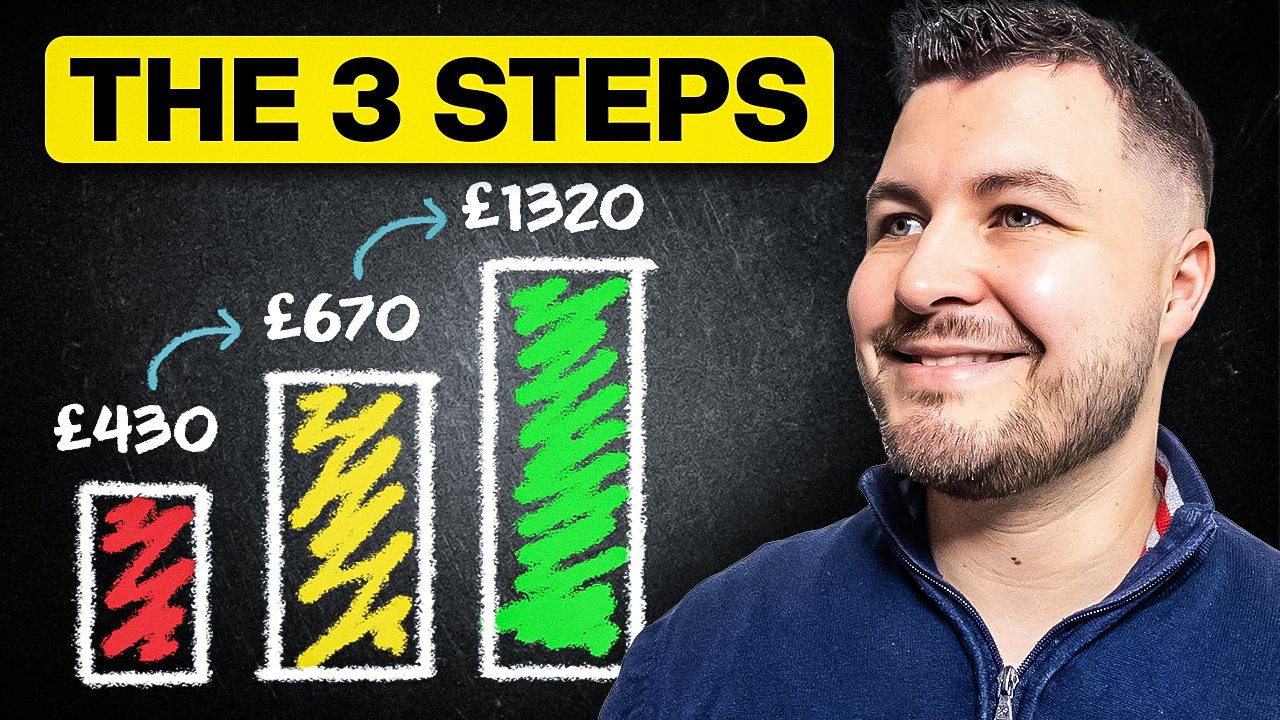
In this guide, I will break down the three essential steps to boosting your restaurant’s profitability by at least 10%. You’ll learn how to master cost control, optimise your menu pricing, and streamline your operations for sustained financial success.

Step 1: Look At The Right Profit (EBITDA)
Most owners focus on “profit after tax,” but this is a mistake. Profit after tax is often delivered long after year-end and is cluttered with subjective accounting adjustments like depreciation and amortisation. These figures do not indicate operational success.
To run a restaurant successfully, you must track EBITDA (Earnings Before Interest, Tax, Depreciation, and Amortisation) on a weekly basis.
Interest and tax are small percentages of overall revenue, so they should not distract you from day-to-day performance. EBITDA is your true operational metric. If you aren’t tracking this weekly, you are flying blind.
Is your restaurant actually making money, or are you just busy? You can find the exact issues holding you back across four sections: accounting, sales, hospitality, and training. Take the Free 5-Minute Restaurant Assessment Here

Step 2: Set Up A Revenue System
A business’s potential for profit is often determined before a dish even hits the table. Your revenue system must include three pillars:
- Accurate Sectional Costings: Do not aim for a flat cost-of-sale percentage across the whole menu. Aiming for the same margin on a soup as a steak leads to unrealistic pricing. Break your costs down into sections like starters versus mains.
- Integrations and Automation: Integrate your Point of Sale (POS) with accounting software like QuickBooks. This allows you to split your P&L into different areas for better clarity.
- Average Spend Per Head: Track your revenue per cover weekly. Even a small increase here can lead to a massive improvement in income.

Step 3: Master Expense Management
Once your revenue is tracked, you must manage the “big two” expenses: Cost of Sales and Labour.
Cost of Sales (Ingredients)
Do not confuse your food costs with other overheads like card payment fees. You should compare your actual cost of sale with what your costs suggest it should have been based on dishes sold. If there is a gap, your kitchen control needs to be tighter. Break down your cost of sale percentage (Cost of Sale divided by Revenue) to set specific targets.
Labour: Revenue Per Labour Hour
Stop using “Labour cost percentage.” Labour is a variable stepped cost, and percentage is an inaccurate measure of management success. Instead, focus on Revenue per Labour Hour (Total Revenue divided by Total Hours worked). This figure should be rising. If you cut staff but your revenue drops faster, your revenue per labour hour decreases, and you have actually become less efficient.
The Three Overhead Traps
Overheads often leak money in three specific areas:
- Impulsive Contracts: Small contracts that fix a temporary problem but tie you in for 12 months.
- Rollover Contracts: Waste and insurance policies that renew automatically without shopping for better quotes.
- Software Bloat: Subscribing to too many apps while only using 10% of their actual capability.
Conclusion: Finding the Small Leaks
Increasing profit is not about a single massive change; it is about finding and fixing small leaks that, when multiplied, lead to a vast improvement in performance. Systems provide the control you need to stop guessing. When you transition from an operator stuck in the weeds to a strategist with a system, you build true financial freedom.
Want to stop the cash drain and gain control of your numbers?
My free 5-minute assessment will reveal your hidden operational blind spots. The accounting section specifically analyses whether you’re tracking the right metrics (like EBITDA), managing your cost of sales effectively, and controlling Labour costs, giving you a clear roadmap to plug the leaks and build financial stability.
Leave a Reply