Author: tom@handyas.co.uk

  • How to Run a Restaurant: 3 Steps to 10% More Profit

    How to Run a Restaurant: 3 Steps to 10% More Profit

    Click here to watch the video!

    You are working flat out, but your profit and loss sheet still looks like a colander, draining money every single month. You think it is just rising costs, but the real issue is a deadly operational blind spot, and it is costing you thousands.

    Mastering how to run a restaurant is not about cutting costs; it is about setting up systems that provide control. Without them, your performance is based on luck. 

    I’m Tom Dimelow, a restaurant and business coach. I specialise in creating and implementing systems and processes that turn restaurants into highly profitable, must-visit spots with truly engaged teams.

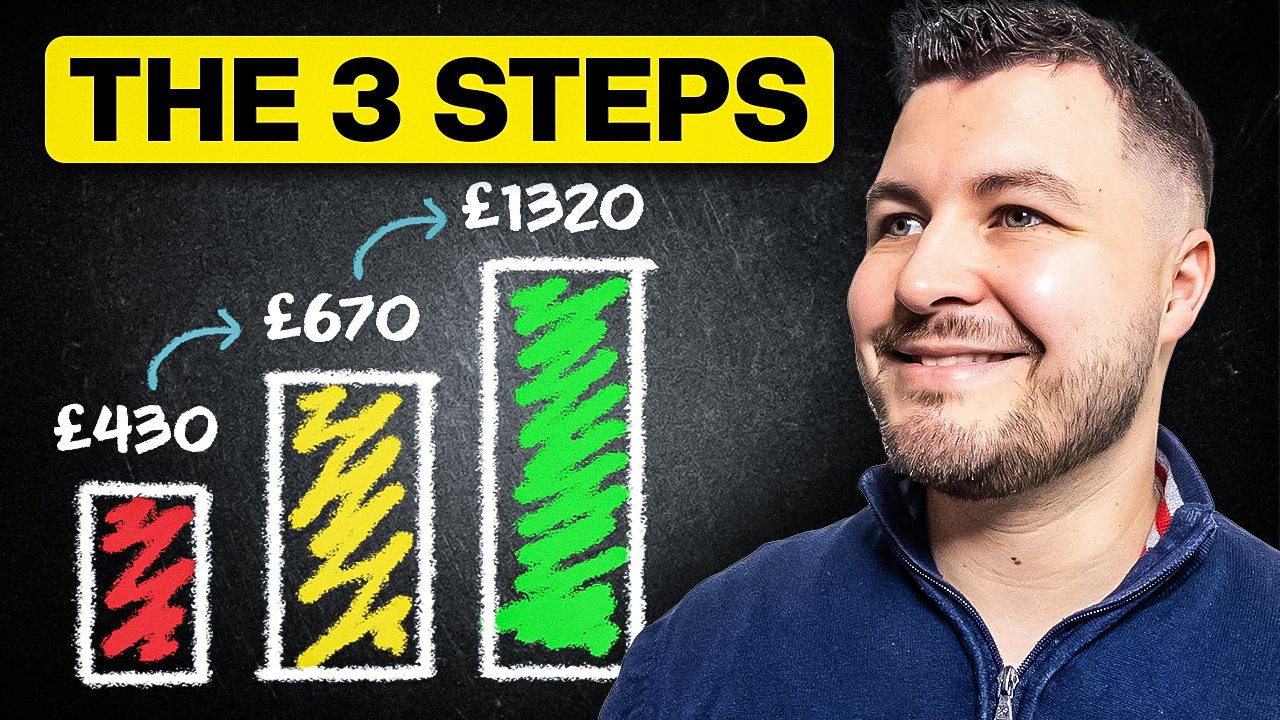
    In this guide, I will break down the three essential steps to boosting your restaurant’s profitability by at least 10%. You’ll learn how to master cost control, optimise your menu pricing, and streamline your operations for sustained financial success.

    Step 1: Look At The Right Profit (EBITDA)

    Most owners focus on “profit after tax,” but this is a mistake. Profit after tax is often delivered long after year-end and is cluttered with subjective accounting adjustments like depreciation and amortisation. These figures do not indicate operational success.

    To run a restaurant successfully, you must track EBITDA (Earnings Before Interest, Tax, Depreciation, and Amortisation) on a weekly basis. 

    Interest and tax are small percentages of overall revenue, so they should not distract you from day-to-day performance. EBITDA is your true operational metric. If you aren’t tracking this weekly, you are flying blind.

    Is your restaurant actually making money, or are you just busy? You can find the exact issues holding you back across four sections: accounting, sales, hospitality, and training. Take the Free 5-Minute Restaurant Assessment Here

    Step 2: Set Up A Revenue System

    A business’s potential for profit is often determined before a dish even hits the table. Your revenue system must include three pillars:

    • Accurate Sectional Costings: Do not aim for a flat cost-of-sale percentage across the whole menu. Aiming for the same margin on a soup as a steak leads to unrealistic pricing. Break your costs down into sections like starters versus mains.
    • Integrations and Automation: Integrate your Point of Sale (POS) with accounting software like QuickBooks. This allows you to split your P&L into different areas for better clarity.
    • Average Spend Per Head: Track your revenue per cover weekly. Even a small increase here can lead to a massive improvement in income.

    Step 3: Master Expense Management

    Once your revenue is tracked, you must manage the “big two” expenses: Cost of Sales and Labour.

    Cost of Sales (Ingredients)

    Do not confuse your food costs with other overheads like card payment fees. You should compare your actual cost of sale with what your costs suggest it should have been based on dishes sold. If there is a gap, your kitchen control needs to be tighter. Break down your cost of sale percentage (Cost of Sale divided by Revenue) to set specific targets.

    Labour: Revenue Per Labour Hour

    Stop using “Labour cost percentage.” Labour is a variable stepped cost, and percentage is an inaccurate measure of management success. Instead, focus on Revenue per Labour Hour (Total Revenue divided by Total Hours worked). This figure should be rising. If you cut staff but your revenue drops faster, your revenue per labour hour decreases, and you have actually become less efficient.

    The Three Overhead Traps

    Overheads often leak money in three specific areas:

    1. Impulsive Contracts: Small contracts that fix a temporary problem but tie you in for 12 months.
    2. Rollover Contracts: Waste and insurance policies that renew automatically without shopping for better quotes.
    3. Software Bloat: Subscribing to too many apps while only using 10% of their actual capability.

    Conclusion: Finding the Small Leaks

    Increasing profit is not about a single massive change; it is about finding and fixing small leaks that, when multiplied, lead to a vast improvement in performance. Systems provide the control you need to stop guessing. When you transition from an operator stuck in the weeds to a strategist with a system, you build true financial freedom.

    Want to stop the cash drain and gain control of your numbers? 

    My free 5-minute assessment will reveal your hidden operational blind spots. The accounting section specifically analyses whether you’re tracking the right metrics (like EBITDA), managing your cost of sales effectively, and controlling Labour costs, giving you a clear roadmap to plug the leaks and build financial stability.

    Click here to take the Free Restaurant Assessment

  • How to Run a Restaurant: Cut Staff Turnover By 86%

    How to Run a Restaurant: Cut Staff Turnover By 86%

    Click here to watch the video!

    The “Nobody Wants to Work” Myth is Killing Your Restaurant

    If you are working flat out only to watch your profit drain away into recruitment fees, you aren’t alone. Most restaurant owners have convinced themselves of a convenient lie: that the “modern worker” is lazy or that hospitality just isn’t a “career” anymore.

    That myth is a deadly operational blind spot.

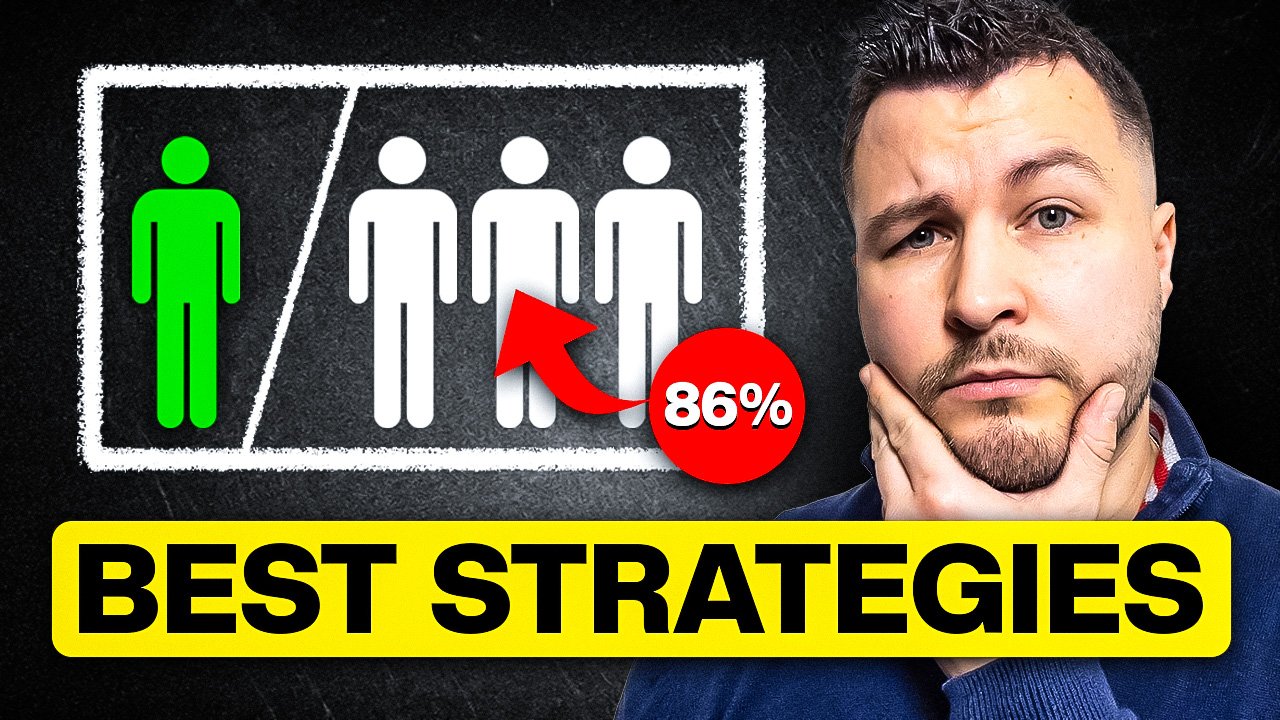
    The reality is that 87% of millennials stay in a job because they are receiving high-quality development. Yet, 86% of hospitality businesses provide less than 10 hours of ongoing training. You aren’t suffering from a “labor shortage”; you are suffering from a training deficit.

    I’m Tom Dimelow. I’ve built seven-figure, AA-rosette teams by moving beyond the “revolving door” of recruitment and focusing on what actually makes people stay: Autonomy, Mastery, and Purpose.

    1. Stop Confusing Training with Coaching

    Most owners think training is just showing someone how to do a job. That’s why your team lacks ownership.

    Think of it like a football club:

    • The Trainer runs the drills. They focus on technique, fitness, and repetition.
    • The Coach doesn’t run drills. They develop game intelligence, the ability to make decisions and trust their instincts under pressure.

    In hospitality, we are great at the “drills” but we never coach the “thinking.” You have to be both. Once you teach a skill, you must coach the ownership of that skill until it becomes muscle memory.

    2. Ditch the Transactional Trap (Money vs. Motivation)

    If you think a pay rise or a bottle of wine is the secret to retention, you’re stuck in a transactional loop. Money is an extrinsic motivator. It’s short-term and fades the moment the next person offers an extra 50p an hour.

    To build a team that sticks, you must unlock Intrinsic Motivators:

    • Autonomy: Giving them a structured service journey so they can work without you breathing down their neck.
    • Mastery: Providing a path to expertise so they feel like they are becoming a better version of themselves.
    • Purpose: Explaining why you exist. Are you just selling food, or are you giving people a rare moment of connection away from their stressful lives?

    3. The Blueprint: Maslow’s Hierarchy in the Kitchen

    People cannot reach “peak performance” if they are stuck worrying about whether their rota will change at the last minute. To get a team that cares, you have to hit these levels in order:

    1. The Foundation (Physiological & Safety): Fair pay, proper breaks, and predictable rotas.
    2. The Environment (Belonging): Creating a team identity where people feel valued and included.
    3. The Growth (Esteem & Mastery): Recognizing success and trusting them with the responsibility they’ve been trained for.

    Case Study: From 22-Year-Old Manager to 7-Figure Success

    When I opened a restaurant as the manager in a 5 star hotel alongside TV chef James Martin at just 22, we didn’t hit a seven-figure turnover and an AA rosette in year one by accident.
    We hit it by implementing these exact systems. We stopped seeing training as a “cost” and started seeing it as the only way to ensure the service was consistent enough to drive repeat demand.

    The 10-Hour System: No More Excuses

    You don’t need a massive training budget or a dedicated classroom to fix this. You just need a habit.

    • Two Briefings a Day: Hold a 10–15 minute meeting ahead of each service.
    • The Micro-Training Math: Include just 5 to 10 minutes of specific training in each briefing. That gives you roughly 1 hour and 40 minutes of development every week.
    • The Result: Over the course of 12 weeks, your team receives 20 hours of ongoing training.

    In one quarter, you’ve gone from being part of the 86% of businesses that fail their staff to the elite few who provide double the industry average, all without a single “training day” taking people off the floor.

    Want to stop the recruitment cash drain and find out where your team is really at?

    Click here to take the Free 5-Minute Restaurant Assessment

  • How to Run a Restaurant: The One Rule to Increase Average Spend

    How to Run a Restaurant: The One Rule to Increase Average Spend

    Click here to watch the video!

    You have trained your team to upsell every dish, but your average spend is still flat. Guests are walking out having not had dessert, and the reason is simpler than you think. You are making them feel rushed at the very moment they should be relaxing.

    I’m Tom Dimelow, a restaurant and business coach. I specialise in developing systems and implementing processes that transform restaurants into must-visit locations, driving higher profits and fostering engaged teams.

    To run a restaurant successfully, you must master a subtle psychological hack and create “wow” moments that allow you to anticipate your customers’ needs before they even know they exist. 

    Mastering this single step encourages people to stay longer, leading to increased sales and more repeat business. It is not about service, it is about hospitality. Service is a desperate server. Hospitality is a host who creates a relaxed environment where guests are more likely to spend more. 

    The One Rule is simple: establish a clearly designed Service Journey.
    This isn’t a script. it’s a framework that becomes muscle memory for your team. When your staff know exactly how the experience should unfold, they deliver it effortlessly, which builds trust and relaxes your guests.

    There are three critical moments in your Service Journey where most restaurants lose money:

    1. Early engagement: The first 60 seconds when guests arrive
    2. Pre-dinner drink sales: The moment before menus create choice overload
    3. Dessert sales: When guests need permission to stay

    Master these three elements within your Service Journey, and you’ll see average spend increase naturally. Let me show you how.

    Step #1 of Your Service Journey: The 60-Second Rule 

    Nobody arrives for dinner hungry. Often, guests arrive stressed, worried, or anxious. They might be on a first date, a family dinner they don’t really want to be at, or a special occasion they hope will be perfect. These feelings affect the way they perceive their experience without any input from the restaurant itself.

    You have about 60 seconds to reduce the guest’s stress level. A simple acknowledgement early on, rather than letting them wait at a host stand, communicates a “we’ve got this” vibe. 

    Your customers are constantly assessing pace and pressure. If they feel rushed, they behave in “safe” ways and default to low-value decisions.

    The Psychology of the Guest:

    • Stressed Guests: Likely to make logical, defensive decisions, leading to just a main course and a glass of tap water.
    • Relaxed Guests: More likely to make emotional and discretionary decisions.

    Hospitality is about reducing the cognitive load, not increasing sales pressure. When you communicate that the guest is in safe hands early on, they are more likely to say yes when you offer pre-dinner drinks.

    Step #2 of Your Service Journey: Pre-Dinner Drinks Without Choice Overload 

    Menus create effort and hesitation. Choice overload research demonstrates that the more choices you give someone, the harder it is for them to make a decision. 

    If you offer a drinks list with 32 gins, they will probably default to one glass of wine or a beer with the main course.

    To encourage the pre-dinner drink, follow these three steps:

    1. Limit the number of choices.
    2. Offer verbal suggestions.
    3. Assume the guest is going to buy a drink.

    How it works in practice:

    Don’t approach with big cocktail menus. Instead, sit the guests down and immediately ask, “What can I get for you to drink whilst you look at your menus? Can I get you a gin and tonic, a vodka tonic, a glass of champagne, prosecco, or a beer?”. Let that pause become the ordering space. 

    If they choose a gin, assume the double. You are setting a “norm” that makes them feel part of the clan.

    Step #3 of Your Service Journey: Maximising Dessert Sales

    Most dessert orders are lost because the guest feels rushed, not because they aren’t hungry. When you clear a table with your arms full of dirty dishes and wave a menu around, you are inadvertently communicating that it is time for them to move on.

    To maximize dessert sales, use these steps from the Service Journey.

    • Clear the table in its entirety: No one feels comfortable sitting around mess.
    • Provide space: By clearing the table first and then returning with a menu, you demonstrate there is no urgency to leave.
    • Use personal recommendations: Say, “I really recommend the chocolate fudge”. A personal recommendation from someone the guest trusts always outperforms a perfectly worded menu description.

    Desserts and coffee rely on emotional comfort. Guests need permission to stay and chill. By giving them space and assuming they will have a dessert, you open the floor for them to stay without feeling they are in a hurry.

    Bringing It All Together: Why the Service Journey Works

    Now you can see how these three elements work together within your Service Journey. As I mentioned at the beginning, the Service Journey is the framework that ties everything together. This is a journey, not just for your guests, but for your restaurant’s evolution. 

    A clearly designed service journey gives your team certainty and consistency. It allows the staff to deliver the experience effortlessly, which gives the guest confidence that you are on top of things.

    The Core Principles:

    • Train the journey, not a script: Consistency builds trust, and trust relaxes your guests.
    • The Three Vital Moments: Focus on The Beginning, one WOW moment in the middle, and The End.
    • Muscle Memory: The less the team has to focus on the technical steps, the more they can focus on engaging with the customers.

    Conclusion: Designing Hospitality

    Restaurant management is not about upselling, it is about designing hospitality. When you master the basics of restaurant management by following a clearly designed service journey, your guests stay longer, spend more, and return more regularly.

    Ready to increase your average spend?

    If your guests are still walking out without ordering desserts or pre-dinner drinks, my free 5-minute assessment will show you exactly where your sales process is breaking down. 

    You’ll receive a personalized report that pinpoints your hidden blind spots across four key areas: accounting, sales (including average spend and conversion), hospitality, and training.